Spring, TX Pest Threats Are Getting Worse. Here's What Every Homeowner Needs to Know.
If you live in Spring, Texas, you already know that pests are not a seasonal inconvenience. They are a year-round reality. Between the humid Gulf Coast climate, dense tree canopy, heavy clay soils, and the constant pressure of North Houston's rapid suburban growth, local homes face a uniquely aggressive mix of pest threats that get more complicated every year.
Allegiance Pest Management helps Spring-area homeowners stay ahead of these threats with targeted, professional solutions. But understanding what is driving pest activity in your neighborhood is the first step toward real, lasting protection. Here is what every Spring homeowner should know right now.
Formosan Termites: The Silent Threat Eating Spring Homes From the Inside Out
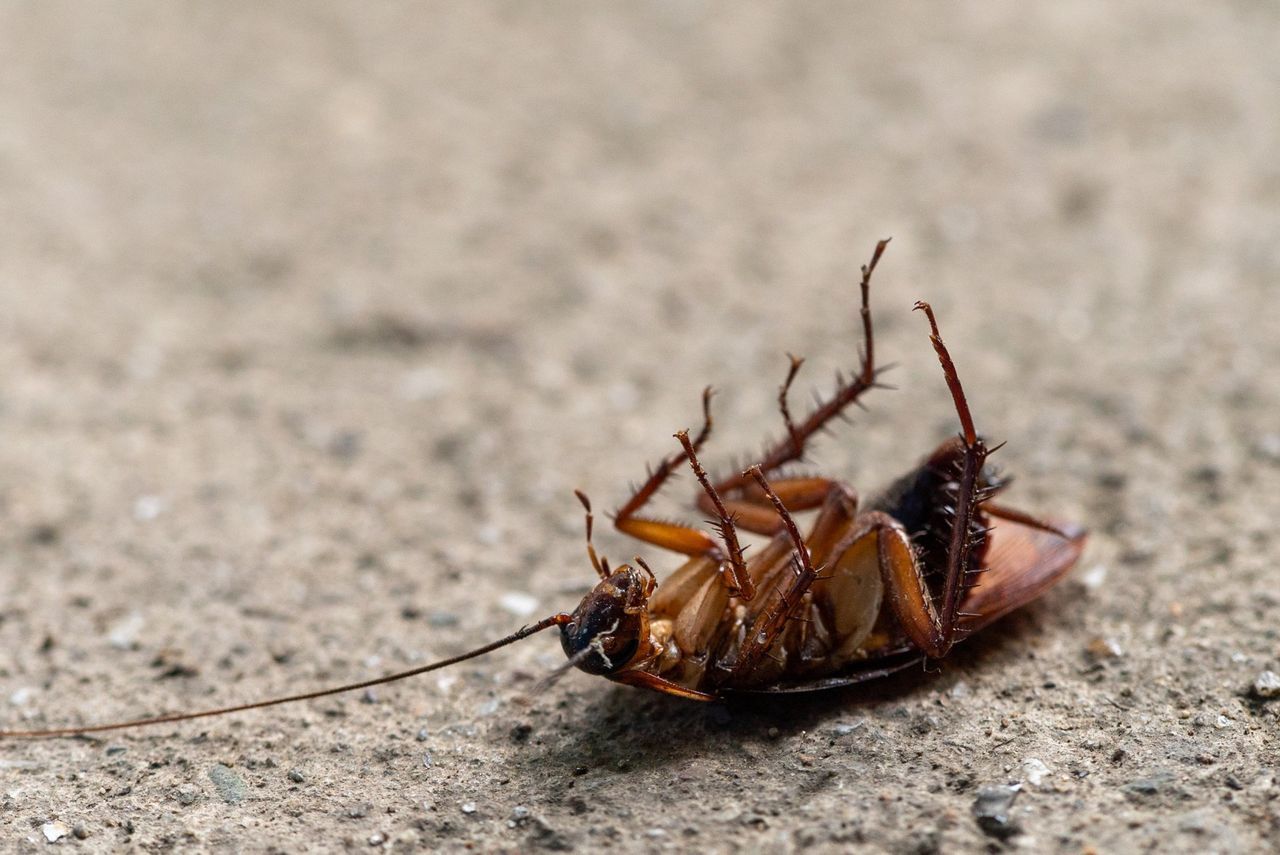
Spring's mature, wooded neighborhoods and moist, clay-heavy "gumbo" soil create a near-perfect environment for subterranean termites. Formosan termites, often called "silent destroyers," are among the most destructive insects in the region. They can hollow out the wooden frame of a home before a single crack appears on the surface.
What makes the current situation more alarming is the rise of hybrid termite species, which are crosses between Formosan and Asian subterranean termites. These hybrids reproduce significantly faster than either parent species and are considerably harder to eliminate with standard treatment methods.
Locally, termite swarming season tends to peak in early spring, triggered by the first warm rain after April. If you notice discarded wings on windowsills, near light fixtures, or along door frames, do not ignore them. That is not just a minor nuisance. That is a warning sign that an active colony may already be near or inside your home.
What to do: Schedule a professional inspection immediately after spotting swarmers. Waiting even a few weeks can mean exponentially more structural damage.
Milder Winters Are Driving a Rodent Boom Across North Houston
There is a commonly held belief that winter slows pests down. In Spring, TX, that is no longer reliably true.
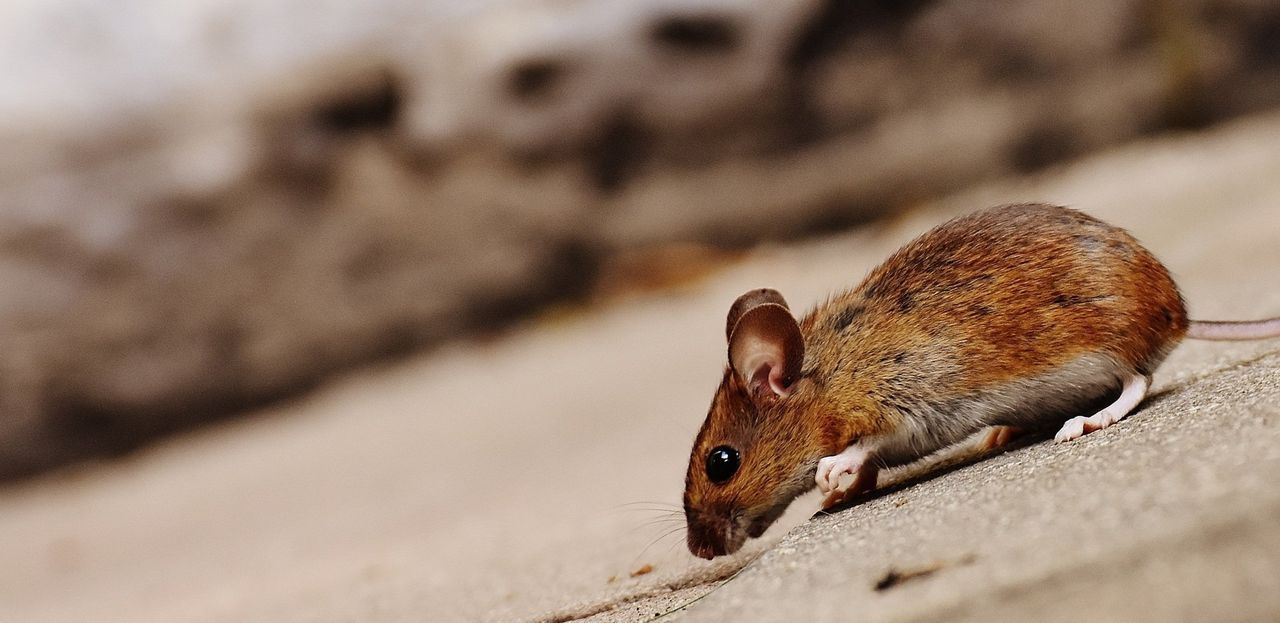
Southeast Texas frequently experiences warmer-than-normal winters driven by weak La Nina weather patterns. These milder temperatures disrupt the natural cycle that once slowed rodent breeding during the colder months. Pest professionals in the Houston metro area are now reporting significant rat and mouse activity in December and January, levels that historically were only seen in spring.
At the same time, rapid suburban development across North Houston is displacing wild rodents from their natural habitat. With nowhere else to go, they are targeting residential attics, wall voids, and crawlspaces for shelter and warmth.
Rodents are not just a nuisance. A single pair of mice can produce dozens of offspring in just a few months, and rodents chewing on wiring inside walls are a serious fire risk.
What to do: Inspect your roofline, soffit vents, and utility entry points for any gaps larger than a quarter. Call a professional if you hear scratching in your walls or attic, especially between October and February.
Mosquito Seasons Are Getting Longer and More Intense
Spring's lush, shaded yards are one of its biggest selling points as a community. They are also one of the reasons mosquito pressure here is especially severe.
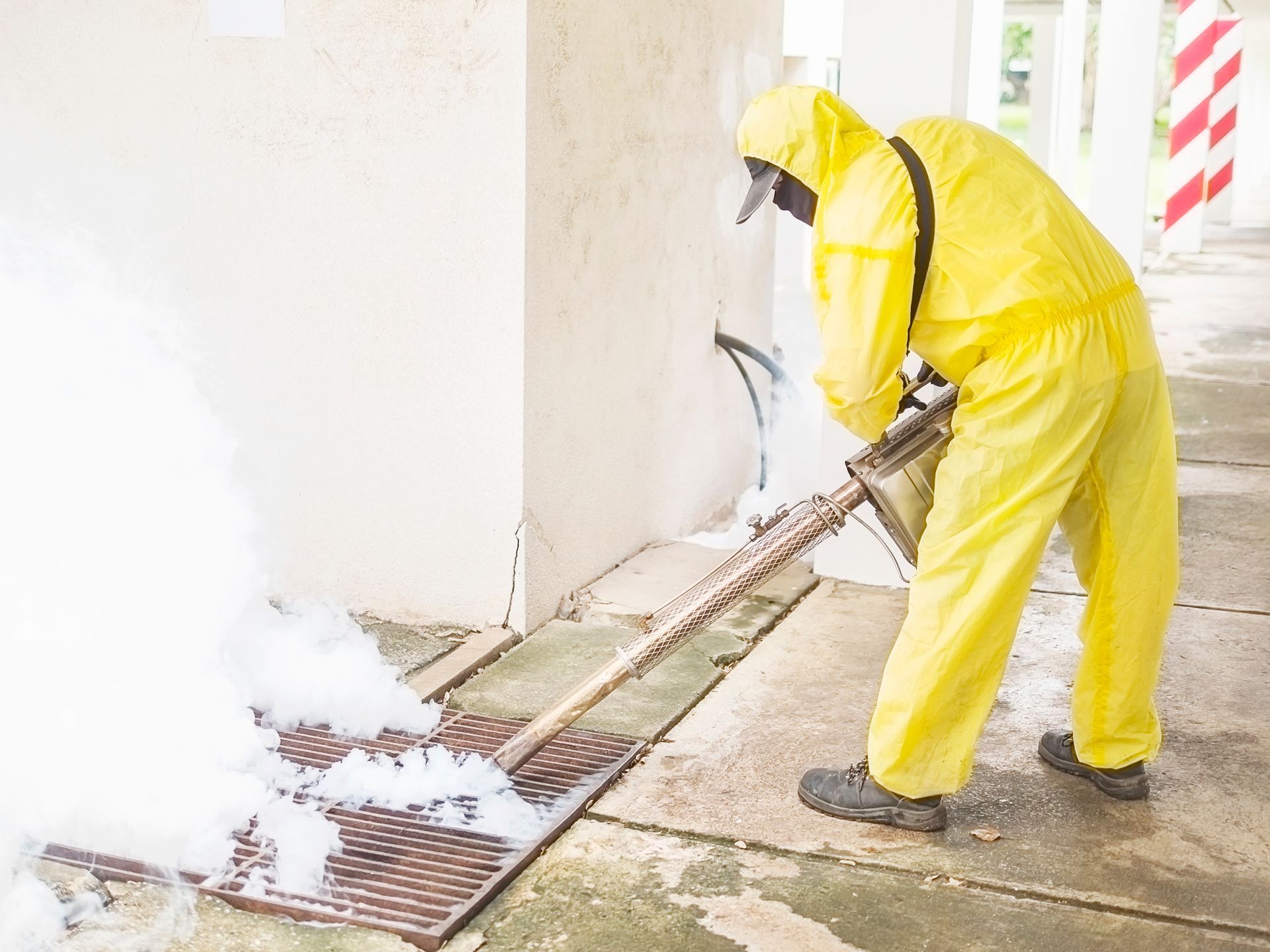
Rising average temperatures across the Gulf Coast region are extending the mosquito season on both ends, with earlier spring emergence and activity pushing well into autumn. When a mild, wet winter is followed by spring rains (which is a common pattern in this area), entomologists describe the result as a "bumper pest crop." Under these conditions, mosquito populations can multiply tenfold within just a few days as stagnant water accumulates in clogged gutters, flower pots, birdbaths, and shaded low-lying areas of the yard.
This is not a problem you can solve with a can of spray from the hardware store. Consistent, preventative mosquito treatments applied by a licensed professional throughout the active season are the most effective way to reclaim your outdoor living spaces and protect your family.
What to do: Start mosquito treatments in March or April, before populations surge, and continue through October. Eliminate standing water weekly as an added preventative measure.
Post-Rain Fire Ant and Crazy Ant Surges Are a Real Threat to Your Home
If you have lived in Spring for more than one rainy season, you have probably witnessed fire ant mounds appear out of nowhere after a downpour. What many homeowners do not realize is that those surges are not random.
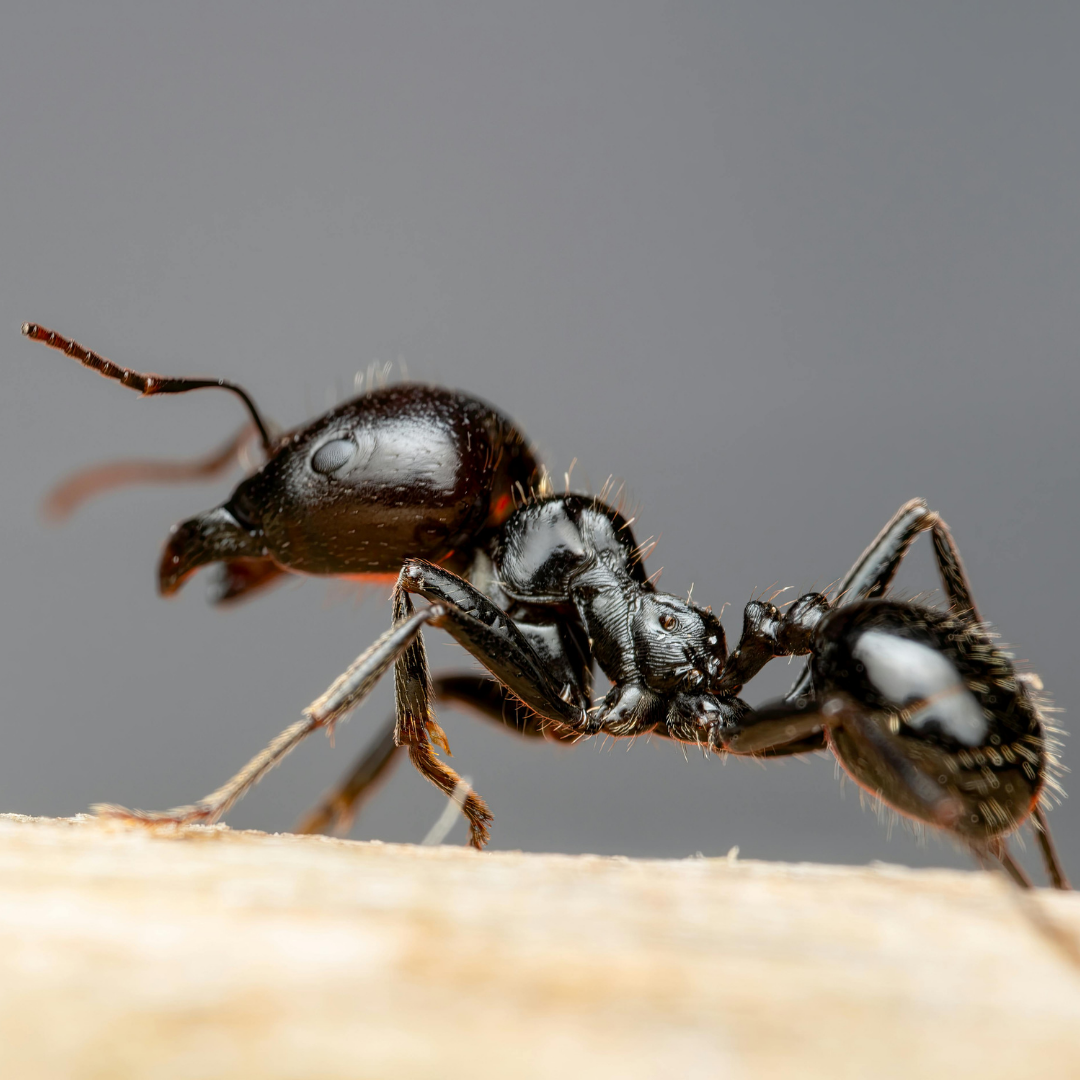
When heavy seasonal rains saturate the soil, fire ants and Tawny crazy ants are forced to evacuate their underground nests quickly to avoid drowning. Rather than simply relocating to drier ground nearby, entire colonies migrate toward elevated, dry structures: home foundations, wall voids, electrical boxes, and outdoor AC units. Ants nesting inside electrical components can chew on wiring and cause costly, dangerous system failures.
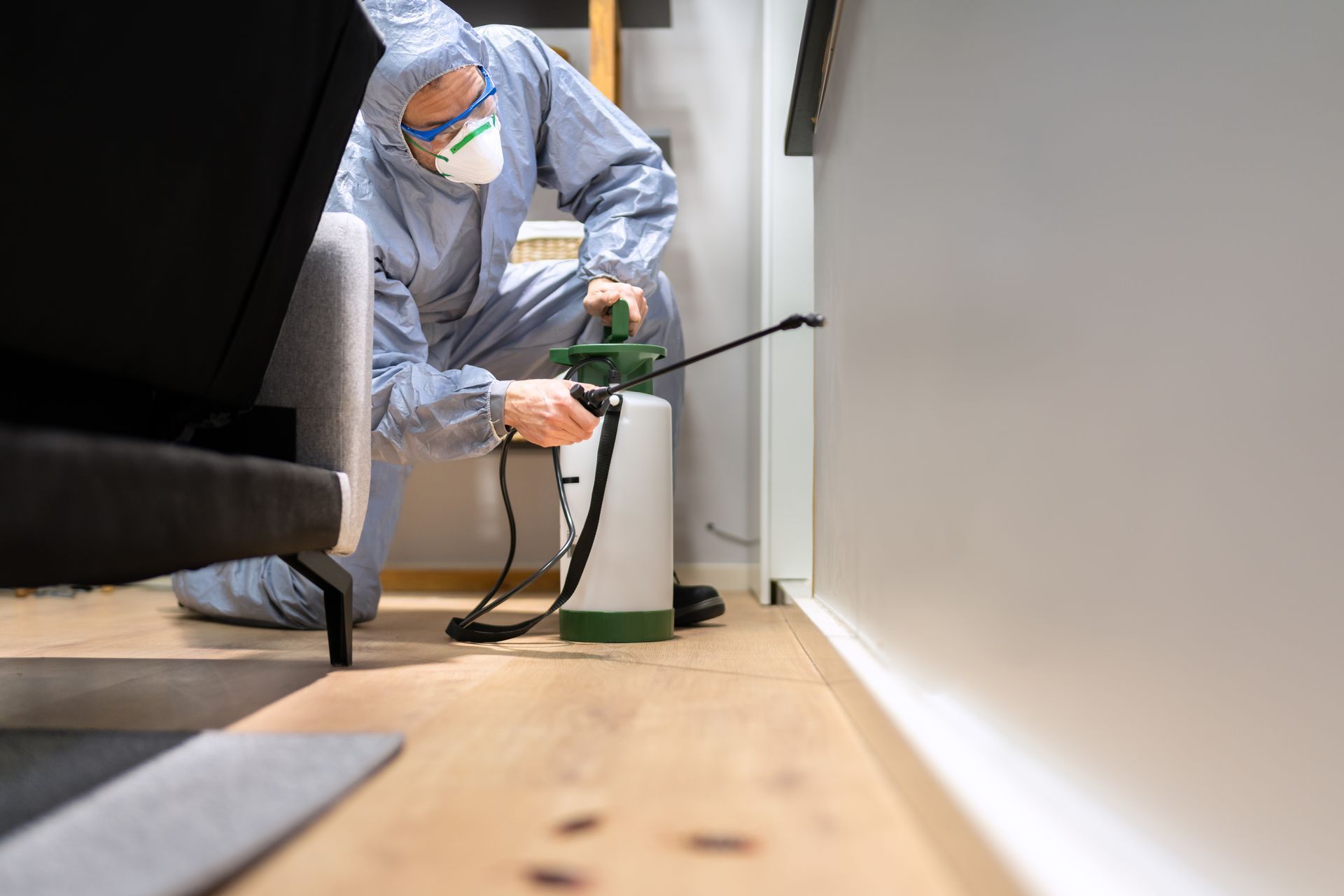
Professional quarterly perimeter treatments are specifically designed to stop these weather-driven surges before ants ever reach your home's interior.
What to do: Don't wait until you see ants inside to act. A consistent perimeter treatment schedule is the most cost-effective defense against fire ant and crazy ant invasions.
Living in Spring, TX means enjoying one of the most beautiful communities in the Houston area. It also means taking pest pressure seriously. Whether you are dealing with termites, rodents, mosquitoes, or ants, proactive professional treatment is always more effective and less expensive than reactive damage control.
FREQUENTLY ASKED QUESTIONS
When is termite swarming season in Spring, TX?
Termite swarmers in the Spring area are most active in early spring, typically beginning after the first warm rain following April. Spotting discarded wings near windows or light fixtures is a strong sign of nearby termite activity.
Why are rodents so bad in the winter in North Houston?
Milder winter temperatures driven by La Nina weather patterns have eliminated the natural cold-weather slowdown that once kept rodent reproduction in check. Combined with rapid suburban development displacing local wildlife, rat and mouse activity in the area is now year-round.
How often should I have my home treated for pests in Spring, TX?
Most pest professionals recommend quarterly perimeter treatments for year-round protection. This schedule accounts for seasonal surges like post-rain ant migrations, spring termite swarms, and extended mosquito seasons common in Southeast Texas.
Are crazy ants really a problem in Spring, TX?
Yes. Tawny crazy ants have become increasingly common in the North Houston area. They are highly disruptive, difficult to control without professional products, and are known for invading electrical equipment and causing short circuits.
What is a "bumper pest crop" and should I be worried?
A bumper pest crop refers to a rapid, large-scale increase in pest populations, most commonly mosquitoes, following a mild wet winter and warm spring rains. It can cause mosquito populations to grow tenfold in just days, making preventative professional treatments essential for Spring homeowners.