Termite Control in Spring TX: Protect Your Home Now
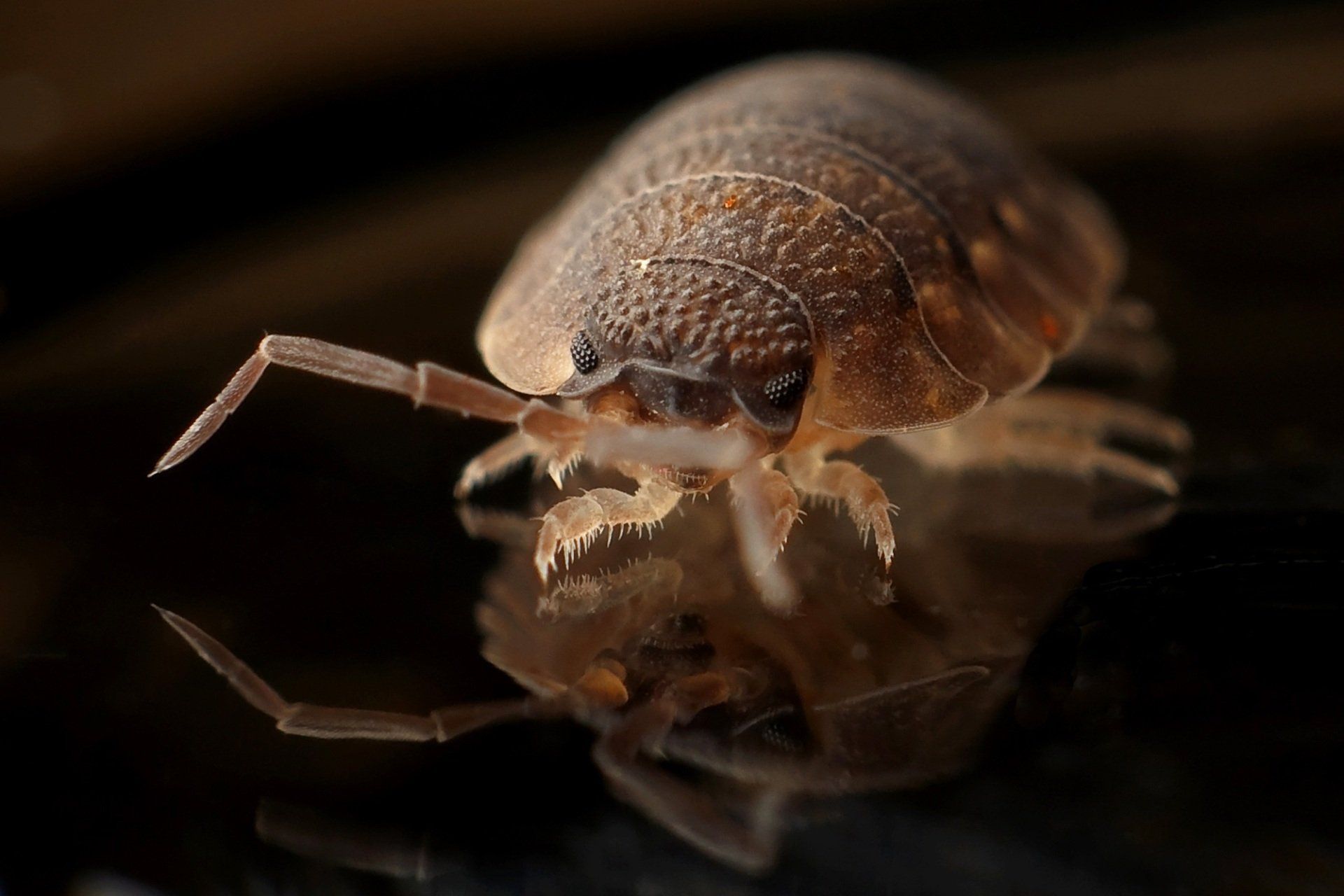
Termites are silently destroying homes across Spring and North Houston right now, and most homeowners have no idea until the damage is severe. If you live in this region, professional termite control is not optional. It is essential.
Texas holds the unfortunate distinction of ranking among the top three worst states in the nation for termite infestations in 2026. Spring and the surrounding North Houston area sit squarely in what experts designate as "Termite Infestation Probability Zone 1," the highest possible threat classification. That means local conditions are nearly perfect for termite colonies to thrive, feed, and multiply every single day of the year.
Allegiance Pest Management helps Spring-area homeowners and businesses get ahead of this threat before the damage becomes catastrophic.
Why Spring, TX Is a Prime Target for Termites
The climate here does the termites a huge favor. Spring and North Houston experience warm temperatures, high humidity, and moist soil for the majority of the year. These are precisely the conditions that subterranean and Formosan termites need to build and sustain massive colonies.
Unlike northern states where freezing winters slow termite activity, Southeast Texas offers no such seasonal relief. Colonies stay active 365 days a year. That is a lot of feeding time on the structural wood of your home.
Formosan termites are especially aggressive. A single mature Formosan colony can contain several million workers. They chew through wood, insulation, and even soft concrete rapidly.
The Financial Reality of Ignoring Termites
The numbers are stark. Termites cause over five billion dollars in property damage nationally every year. For the average homeowner who discovers termite damage, the repair bill typically lands around $3,000. Larger infestations or long-term undetected damage can push that figure much higher.
Here is the part that surprises most people: most standard homeowners insurance policies do not cover termite damage. Insurers classify it as a preventable maintenance issue. That means every dollar of repair comes directly out of your pocket.
This is not a risk worth taking. Your home is likely your largest financial investment. Protecting it from termites is one of the most cost-effective decisions you can make.
Warning Signs You Should Never Ignore
Termites are secretive by nature. They eat wood from the inside out, staying hidden behind drywall, beneath flooring, and inside foundations. By the time visible damage appears, the infestation is often well advanced.
Watch closely for these warning signs:
- Swarmers: Winged termites emerging indoors, especially near windows or light fixtures
- Discarded wings: Small piles of translucent wings near doors, windowsills, or baseboards
- Mud tubes: Narrow pencil-width tunnels running along your foundation, walls, or crawl space
- Hollow-sounding wood: Tap on wooden beams or trim; a hollow thud suggests termite damage inside
- Blistered or bubbling paint: Can mimic water damage but may signal termites feeding beneath the surface
- Tight-fitting doors or windows: Warped wood from termite activity can throw off the alignment
Spotting swarmers is a particularly urgent sign. A swarm means a mature, established colony is already nearby. Action at that point needs to be immediate.
Termite Control in Spring TX: What a Professional Approach Looks Like
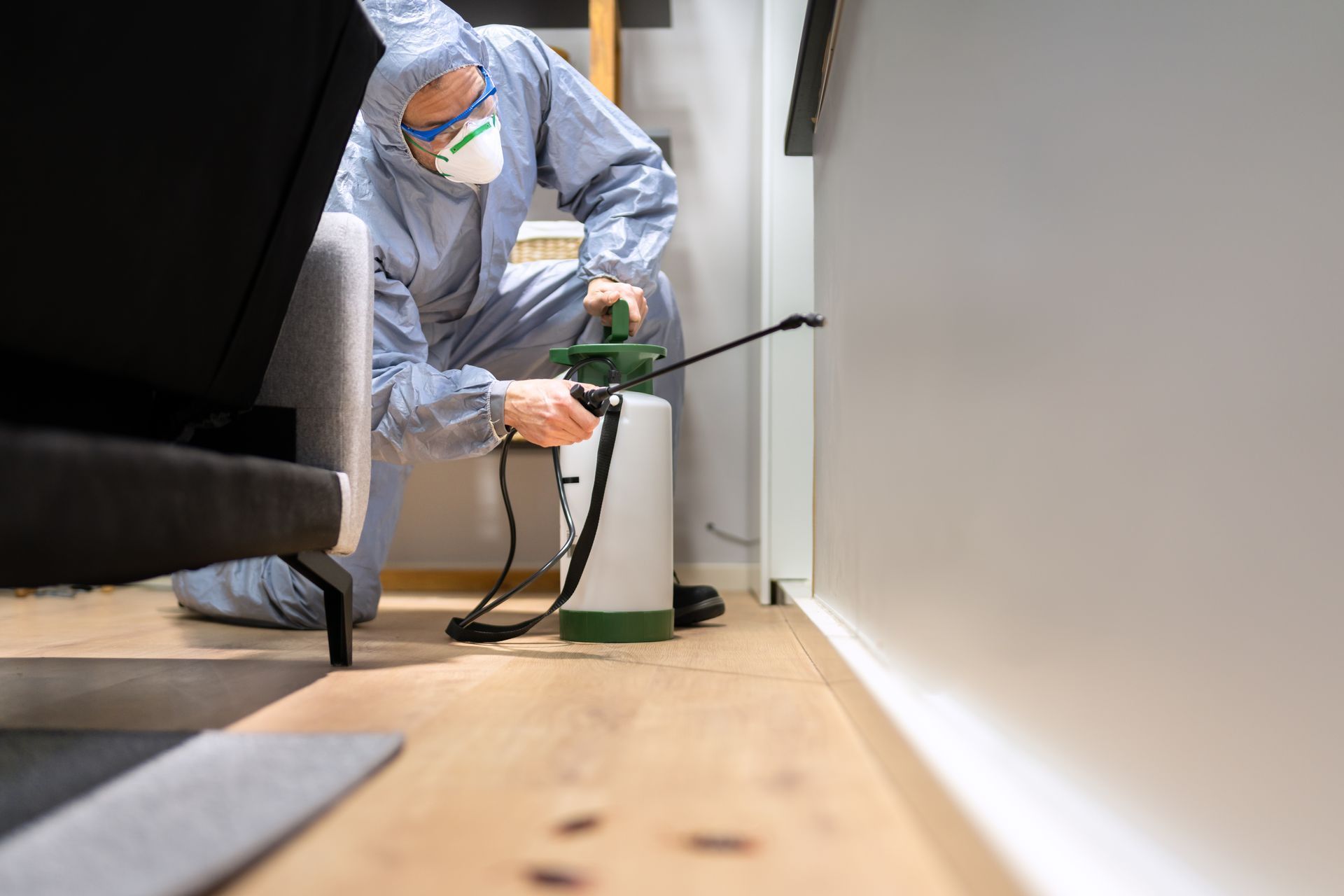
Effective termite control in Spring TX goes far beyond spraying a chemical barrier and hoping for the best. A proper treatment plan starts with a thorough inspection. A trained technician examines your foundation, crawl spaces, attic, exterior wood, and any moisture-prone zones around your home.
Based on what they find, treatment strategies typically include one or more of the following:
- Liquid soil treatments: A protective barrier applied around and beneath the structure that eliminates termites entering from the soil
- Baiting systems: Strategically placed bait stations that termites bring back to the colony, eliminating it from within
- Wood treatments: Direct application to infested or at-risk structural wood
- Structural exclusion: Sealing moisture entry points, fixing drainage issues, and eliminating wood-to-soil contact around the property
The best results come from combining treatment with ongoing monitoring. Termite pressure in this region does not disappear after one visit.
Year-Round Prevention Is the Real Goal
A one-time treatment handles an active infestation. But prevention is what keeps termites from returning. Spring homeowners benefit most from a recurring inspection and monitoring program.
Annual or semi-annual inspections allow professionals to catch early activity before it becomes a full infestation. They also help identify conditions that attract termites, such as excess moisture, rotting wood, or foundation cracks, and address them proactively.
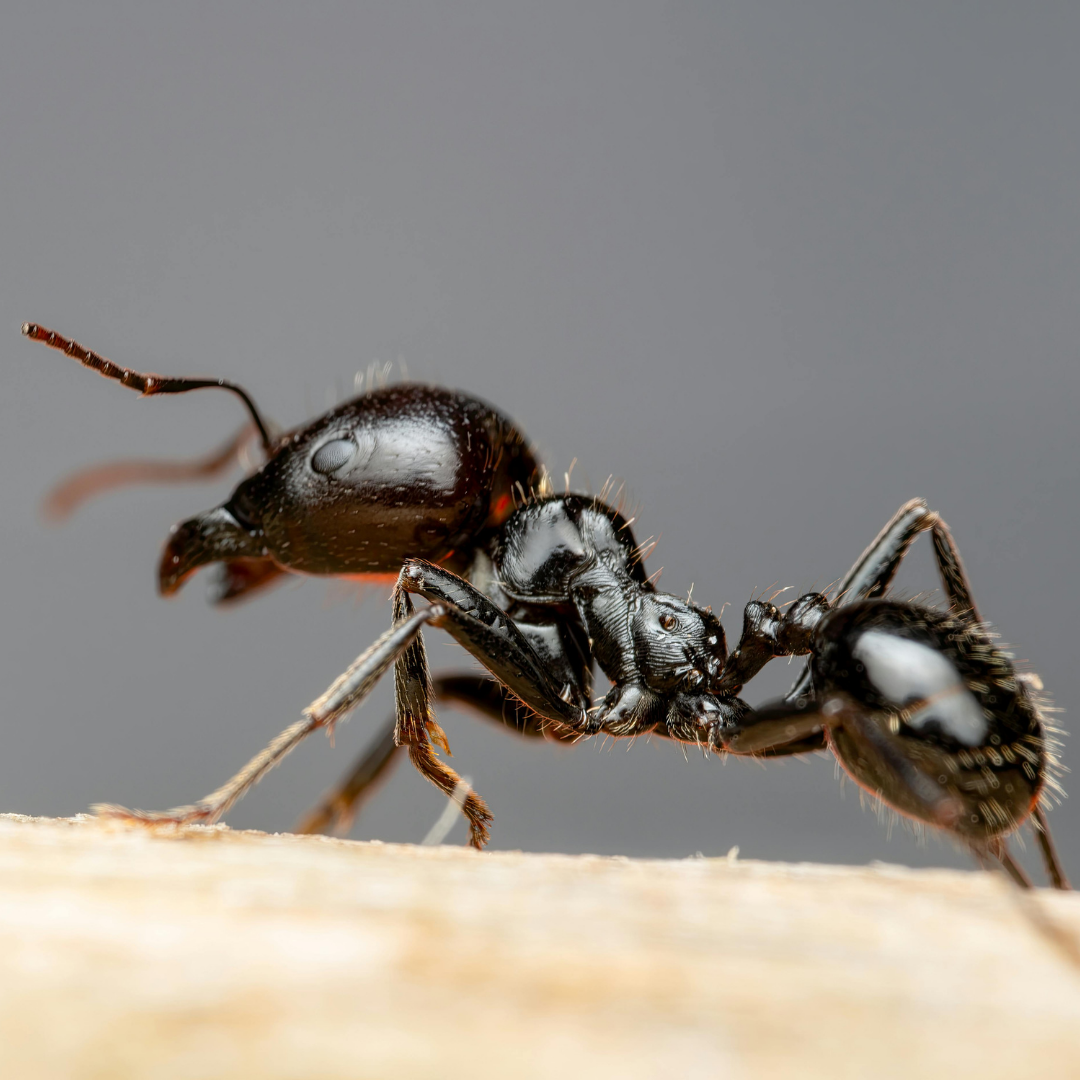
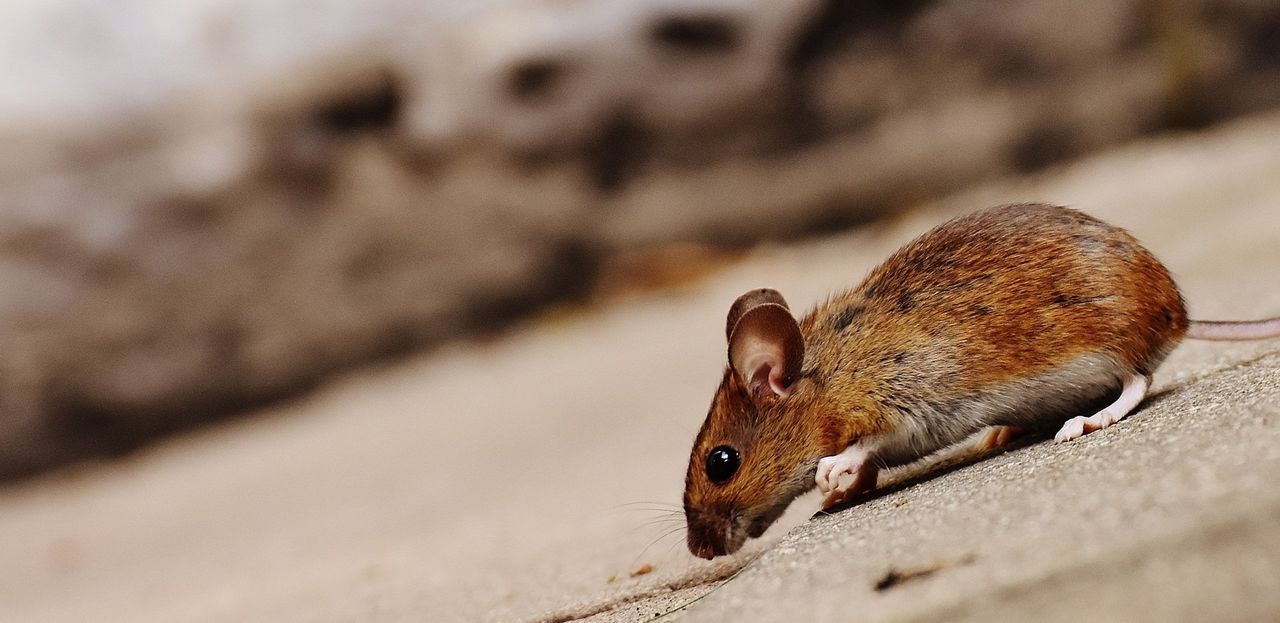
Pairing termite control with a broader residential pest control plan makes strong sense in this area. Moisture and structural vulnerabilities that attract termites often attract other pests too, including ants and rodents.
Protecting your home starts with one inspection. Contact Allegiance Pest Management today to schedule a professional termite evaluation and get a clear picture of your home's risk before the damage goes any further.
FREQUENTLY ASKED QUESTIONS
How do I know if I have termites or ants in my home?
Termite swarmers and flying ants look similar, but there are key differences. Termites have straight antennae, equal-length wings, and a thick waist. Flying ants have bent antennae, unequal wings, and a pinched waist. If you are unsure, a professional inspection will give you a definitive answer quickly.
Is termite damage covered by homeowners insurance?
Generally, no. Most standard homeowners insurance policies classify termite damage as a preventable issue, not a sudden or accidental event. That means repairs come entirely out of pocket. Professional prevention is far less expensive than the repair bills.
How often should Spring homeowners schedule termite inspections?
At minimum, once per year. Given that termites stay active year-round in Southeast Texas, many pest professionals recommend semi-annual inspections for older homes, homes with prior termite history, or properties with significant wood-to-soil contact.
Can I treat termites myself?
Store-bought products may slow surface activity but rarely eliminate a colony. Subterranean and Formosan termites nest deep in the soil, making professional-grade treatment methods necessary for full colony elimination.
What is the best time of year to schedule a termite inspection in Spring, TX?
Any time of year is appropriate because termites are active year-round here. However, spring months are when swarmers are most visible, making it a natural prompt for many homeowners to schedule an inspection.